
 You are not permitted to see this page. You will be redirected to the home page
Ascot High Secures Win Over Hillel; Meadowbrook Game to Resume After Rain Delay
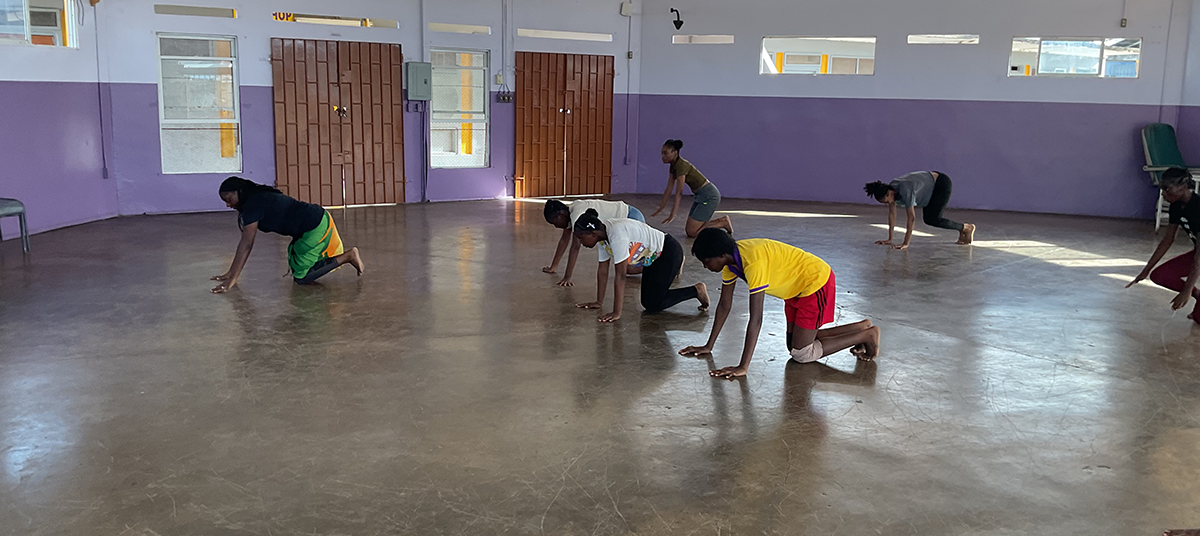
Ascot High School Dance Troupe Invites Students to Audition

Ascot Faces Meadowbrook in Crucial Manning Cup Clash
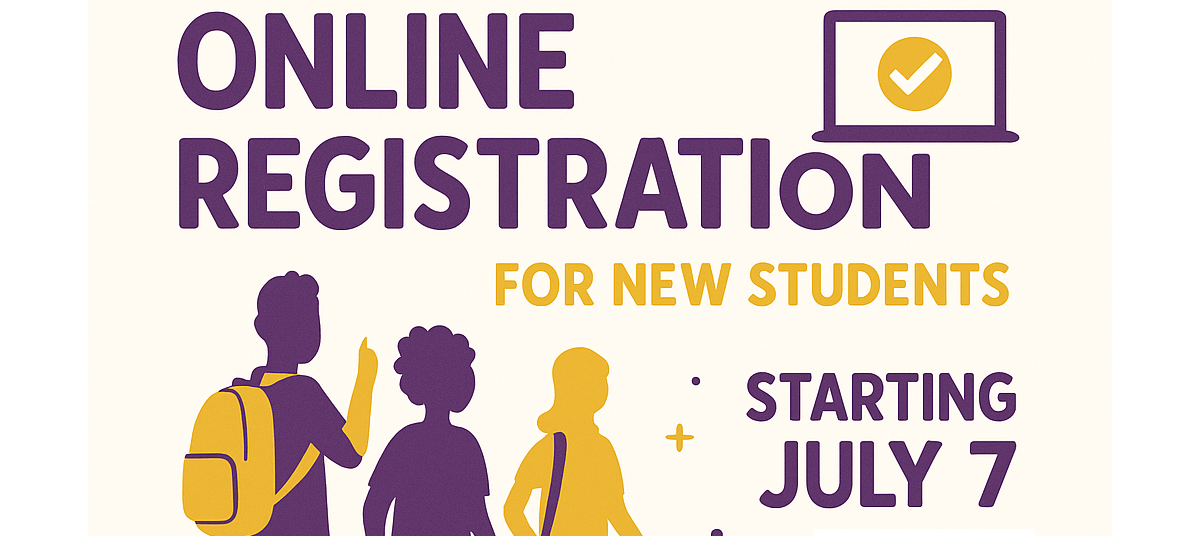
Ascot High School Embraces Online Registration for New Grade 7 Students

Ascot High Recognises Staff for Dedication to School Grounds Preparation

Ascot High Shows Grit in Manning Cup Clash Against Dunoon Technical

New Students Orientation
Student Resources
Course Outlines
Download the course outlines
Search for the course outlines for all subjects for all grade levels to guide your study activities.

Google Classroom
Accessing Your Google Classrooms
Search the document for the classroom code for the google class you would like to access/
AscotVLE
Virtual Learning Environment
Access our own virtual learning environment to access resources and personal practice.

Sixth Form
Sixth Form Online Portal
Through our online sixth form portal, prospective students may apply for matriculation online.
Meeting Our Students' Needs

Download Center
Access important documents, forms and materials from the Download Centre.
CXC Study Guide
Download your CXC Guides to assist with preparation for external examinations.
School Webmail
All students and members of staff are issued a valid school email address.
Sixthform Login
Login into the sixth form portal to make or continue your online application.
Re-registration Form
Print and complete the form as part of the re-registration process.
Clubs and Societies
Students can browse the list of extra-curricular activities and choose one of your preference
Upcoming Events
Stay updated with our latest happenings
OCT
Sessional Test
Class
Students will sit their first written sessional test for the term. This assessment is worth 20% of final grade
OCT
Grade 7 and 8 Parents Meeting
Online
Students will sit their first written sessional test for the term. This assessment is worth 20% of final grade
OCT
Cake Sale
School Grounds
Purchase your cake, pastries and other snack to support our school
OCT
Red Cross Enrolment Ceremony
Art Room
New recuits will be officially welcome as members of the Red Cross Society
OCT
Start of Interact Week
School Grounds
Interact Club begins a series of activities to celebrate Interact Club Week
OCT
Parent Staff Association Meeting
School Auditorium
Termly meeting of parents and staff beginning at 7:30am
OCT
Kite Festival
School Grounds
Be a part of our firdt Kite Festival where kites are made in the colour of the flags of Hispanic countries
Advice Column
Dear Stressed Out Student, t’s completely normal to feel overwhelmed when you’re juggling school, extracurricular activities, and responsibilities at home. The good news is that with the right strategies, you can find a healthy balance. Here are a few steps you can try: Prioritize your tasks. Write down everything you need to do and decide what is most urgent and important. Schoolwork should remain a top priority, but you can still make time for other activities. Create a schedule. Plan out your week and set aside specific times for studying, family responsibilities, and activities. When you plan ahead, you’re less likely to feel rushed or stressed. Use your time wisely. Small blocks of time—like the 20 minutes before dinner or during a commute—can be used to review notes or read a chapter. These add up quickly. Communicate. If you’re really struggling, talk to your teachers, parents, or club leaders. They may be able to adjust deadlines or help you manage your commitments. Take care of yourself. Remember to rest, eat well, and give yourself a break when needed. You’ll perform better in school and activities if you’re healthy and well-rested. Finding balance takes practice, but with time you’ll get better at managing your responsibilities. You don’t have to give up what you enjoy—you just need to stay organized and realistic about what you can handle.
Good Afternoon Student, The application process takes some time but you should receive a response by email shortly. I know that you are concerned and anxious but we are asking you to exercise additional patience with the processing team. We appreciate your concern and hope for you success in your endeavors.
I doubt it very much that your parents hate you. Sometimes, you may fell neglected as they navigate the difficulties of making provision for you and the family. While it is not okay, some parents become so overwhelmed that they lash out at their children while scolding them. It is important to communicate to them your concerns particularly at an appropriate time rather than concluding that your parents hate you. In the first instance, you could consider writing them a letter expressing that you are hurt by the way they treat you. If the letter did not work or you feel as if your parents will not listen to you, then you may have to involve a respected third party in the situation like a pastor, a respected family member or the guidance counsellor at school who will be able to relay your concerns to your parents. In this way, your parents may even receive emotional support to handle their own stresses as well. Being a parent is tough. Sometimes children see them as superheroes but they are only human! They also need some support. In everything, always remember that your parents are humans and they will make mistakes as humans do. However, do not cling to any idea that suggests that your parents hate you as it is not healthy for you to believe that. Moreover, holding firm to such believe will only make the situation worse and negatively impact the relationship with your parents. Think positively and remember things will work out. God bless and all the best betweenn you and your parents.
Good night Mrs., Morrison, Please note that parents are required to join WhatsApp group by clicking the appropriate WhatsApp link. The links can be found at on the following page: https://ascothigh.edu.jm/page/view?id=14. Please also email the support team for additional help if you are unable to join the group. The advice column is for persons requesting advice for psychosocial and/or emotional issues.
Blogs
Technology has transformed almost every aspect of our daily lives, and education is no exception. Classrooms that once relied on chalkboards and textbooks are now enhanced with smart devices, online resources, and digital tools that create more engaging and effective learning experiences. The impact of technology on teaching and learning has been both profound and far-reaching, reshaping how teachers teach, how students learn, and how schools operate.
1. Greater Access to Information
In the past, students were limited to the resources available in their school libraries or the knowledge their teachers could provide. Today, technology has unlocked a world of information at students’ fingertips. Online encyclopedias, educational videos, research databases, and interactive platforms give learners instant access to knowledge and diverse perspectives. This empowers them to take ownership of their learning and explore topics beyond the classroom curriculum.
2. More Engaging and Interactive Lessons
Technology allows teachers to move beyond traditional lectures and create interactive, multimedia-rich lessons. Smartboards, learning apps, simulations, and gamified activities capture students’ attention and make lessons more enjoyable. For example, a history class can come alive with virtual museum tours, while a science lesson can use simulations to demonstrate experiments that may be too dangerous or costly to conduct in real life.
3. Personalized Learning
Every student learns differently. Some are visual learners, others prefer hands-on experiences, and some need extra time to grasp concepts. Technology makes it possible to tailor lessons to individual learning styles and paces. Adaptive learning platforms analyze student performance and adjust content to meet their specific needs. This personalized approach ensures no student is left behind and allows advanced learners to progress more quickly.
4. Improved Communication and Collaboration
Technology has broken down barriers between teachers, students, and parents. Learning management systems, email, and online portals allow for better communication, assignment submissions, and feedback. Students can also collaborate more effectively using online discussion boards, shared documents, and video conferencing tools. This prepares them for the collaborative nature of today’s workplaces.
5. Preparing Students for the Future
We live in a digital world, and schools have the responsibility of preparing students with the skills needed for the future workforce. By using technology in the classroom, students become familiar with digital tools, critical thinking, problem-solving, and online communication—all essential skills for success in higher education and modern careers.
6. Challenges to Consider
While the benefits are clear, the integration of technology in education also presents challenges. Not all students have equal access to devices and internet connectivity, leading to a digital divide. Teachers also need proper training to effectively use new tools, and schools must ensure that technology supports—rather than distracts from—learning.
Conclusion
The impact of technology on teaching and learning has been transformative, offering opportunities to enhance education, improve access, and prepare students for the future. While challenges remain, the benefits far outweigh the obstacles. With the right balance, technology can make teaching more effective, learning more engaging, and schools more connected to the realities of the modern world.
Would you like me to frame this blog in a formal, thought-leadership style (like for Talgroup’s blog) or in a parent/student-friendly tone (like for Ascot High’s website)?
Introduction
Artificial Intelligence (AI) has rapidly evolved from a concept in science fiction to an integral part of our daily lives. From digital assistants like Siri and Alexa to personalized recommendations on Netflix and Amazon, AI is shaping how we interact with the world. One of the most transformative fields AI is influencing is education. Its impact ranges from enhancing the learning experience to streamlining administrative tasks and providing students with personalized support that was previously unimaginable. Here, we’ll explore some of the key ways AI is reshaping the educational landscape.
Personalized Learning: Tailoring Education to Individual Needs
Every student has a unique learning style, pace, and set of needs. Traditional education has often struggled to address these differences effectively, but AI offers a solution. By analyzing data on students' strengths, weaknesses, and learning preferences, AI can create a customized learning path for each individual. This is especially useful in subjects like math, where some students may need extra help with foundational concepts while others are ready for advanced problems.
For example, AI-powered platforms like *DreamBox* and *Smart Sparrow* adjust lessons in real-time to provide each student with a level of challenge that’s right for them. This adaptive learning approach increases engagement and improves outcomes, giving students a more productive and enjoyable learning experience.
Intelligent Tutoring Systems: One-on-One Support Outside of the Classroom
AI-driven tutoring systems, such as *Carnegie Learning* and *ALEKS*, use machine learning to analyze students' responses, identify gaps in their knowledge, and offer targeted support. These systems offer a virtual equivalent of one-on-one tutoring, often at a fraction of the cost of human tutors. They are particularly beneficial for students who need extra help but may not have access to traditional tutoring resources.
Furthermore, intelligent tutoring systems can be available 24/7, allowing students to get help at any time. This flexibility can lead to higher levels of comprehension and retention and make learning more accessible to students across the globe.
AI-Driven Administrative Support: Reducing Teacher Workload
Teachers face heavy administrative workloads, from grading assignments to organizing lesson plans and handling attendance records. AI can help automate many of these tasks, giving educators more time to focus on teaching and interacting with students. Tools like *Gradescope* use AI to assist in grading exams and assignments, even recognizing handwritten text and providing quick, consistent feedback. AI also streamlines student registration, scheduling, and communication, allowing administrators and teachers to concentrate on higher-value tasks.
By relieving educators of routine tasks, AI creates more room for them to work on developing students' critical thinking skills and fostering creativity. This shift could lead to a more effective educational experience overall.
Enhancing Accessibility: Supporting Students with Special Needs
AI is breaking down barriers for students with disabilities, making learning more inclusive. For students with visual impairments, text-to-speech technology, powered by AI, enables them to access course materials. AI can also generate subtitles for videos, benefiting students who are hard of hearing. Platforms like *Microsoft’s Seeing AI* provide real-time descriptions of visual surroundings, helping visually impaired students navigate both physical and digital spaces.
Moreover, AI helps create resources like audiobooks and adaptive learning environments tailored to students with diverse needs, from dyslexia to autism. These tools foster a more inclusive classroom where every student can participate and thrive.
Data Analytics for Improved Outcomes: Data-Driven Decision-Making
AI can analyze vast amounts of educational data, from individual test scores to overall engagement levels across entire classes. This data allows educators to make evidence-based decisions, identify at-risk students, and develop targeted interventions before issues become critical. AI-powered dashboards can help educators spot trends, such as a common struggle with specific concepts, enabling early remediation and improved learning outcomes.
Schools and institutions can also leverage AI-driven analytics to measure the effectiveness of their programs and adjust curricula based on real-time insights, creating a more dynamic and responsive educational environment.
Potential Challenges and Ethical Considerations
While AI offers numerous benefits, it also raises ethical concerns, especially regarding data privacy and the risk of replacing human interaction. Collecting and analyzing student data requires strict data protection to ensure students’ privacy. Educators and policymakers must also balance AI's role in the classroom with the need for human touch, as students still benefit from face-to-face interactions and the social-emotional support that only human teachers can provide.
Moreover, as AI becomes more involved in educational decision-making, there is a risk of bias in algorithms, which could inadvertently disadvantage certain groups of students. Ensuring AI systems are transparent, fair, and inclusive will be critical for a just and equitable educational future.
Conclusion
Artificial Intelligence holds remarkable potential to enhance education by making learning more personalized, accessible, and efficient. From intelligent tutoring systems to administrative support and adaptive learning, AI is poised to transform how students learn and teachers teach. However, the successful integration of AI into education will require careful consideration of ethical implications, data privacy, and the role of human educators.
As we move forward, the goal will be to use AI as a tool that empowers both students and teachers, creating an environment where learning is not only more efficient but also more engaging and inclusive. The future of education is bright, and with AI as an ally, the possibilities are endless.
This blog is an AI-generated blog
Discipline is an important ingredient in attaining meaningful success. Since parenting is geared to prepare children to be succesful in life; then, parenting must incorporate discipline for it to be effective. Parents who refrain from disciplining their children are actually doing their own children a great disservice. A great of parents choose not to discipline because it is either to hard for them or they do not want to be hated by their children.
With regards to the discipline of children, I want to bring to the attention of parents, guardians, teachers and other caregivers of the following truths:
- Discipline is the most important ingredient to success. If you want your child to be successful you must ensure that he/she is discipline.Â
- Children crave structure. They want to be disciplined by their care givers even if their behaviour at a moment in time does not suggest same. However, they realize the value of discipline as they get older. In fact, most rude children want to be police/soldiers. They want to be in careers which functions on discipline.
- Discipline is difficult to practice as an adult if the person has no childhood experience. Hence I encourage parents to provide these crucial experiences for their children.
- Children cannot leave the dwelling of their parents in protest of the discipline being meted out to them. They do not have access to enough resources to survive on their own. Discipline that child he/she must go home to you!
In the long run, disciplined children are far more likely to be successful.
Recently, the school rules have come under direct attack by progressive liberal elements of our society since the four teachers foolishly decided to trim a non-compliant student. Although the student was very defiant seeing that he was given money to trim his hair, the response of the teachers was a result of their own frustration with the student. The rules did not empower or coerce them to do it.
Nonetheless, these progressive elements seized the opportunity to promulgate their long-standing distaste for the rules. They often paint the rules as foolish, stagnant, outdated and unprogressive. But I posit that the establishment and enforcement of rules secure the viability and progression of any organization. That organization can never advance without rules.
Just imagine that both teachers and students could do what ever they like? Who says that the teacher wants to come to school at the prescribed time every day? Obviously, if the teacher could come and go at anytime, it is certain that the goal of educating children could not be reached. The same would be true if the students had the same privilege. Progressives then should consider advocating for solutions to treat with defiant and unruly kids whose conduct is inimical to the progression of the school since they are concerned with progress.
Stupid Rules
Dress code rules cannot be stupid and unprogressive rules. The first activity the student does when going to school is to dress for school- the first lesson. If the student fails at the first lesson then the probability of that student succeeding at subsequent lessons is very slim. The issue is not the rigorous enforcement of rules but the shifting prorities of students which run counter to a good education. If a student is prepared to be sent home because he or she refuses repeatedly to comply with the dress code then education is not amongst that students' main priorities. I think progressives should spend more time conveying to our young people that a good education would make them progress in this life. Tight clothes and tall hair are only valued in senseless parties.
Ascot High School Media Hub
Experience the vibrant life of Ascot High School—watch student performances, events, and special moments on our YouTube channel.
Visit Our Youtube Channel
Voices of Ascot
Hear from our students, alumni, and parents about their journey at Ascot High School.

My high school experience equipped me with confidence and offered many opportunities that helped me in my professional career.
Petagaye McKenzie
Class of 2019
Ascot High School has set the foundation of the woman I am today , I'll forever love and celebrate my school any day, any time, anywhere.
Kimberly Wright
Class of 2012
Ascot has made a substantial contribution to my professional development by providing an enabling and supportive environment for me.
Rajae Parker
Class of 2018
Ascot allows me to develop and mature personally as an individual. The teachers hands on guidance is a key component in my development
Quewayne Carey
Grade 11 Student
Since joining Ascot High in 2004 as a computer teacher, it has been an incredibly rewarding journey. I've had the privilege of guiding students
Mr. Banton-Reid
Information Technology Teacher
I am a transfer student my name is Shatoya Graham. Ascot high school is really important to me and has done me a life changing favor of giving me a second chance
Shatoya Graham
Grade 10 Student
My name is Esther Jarrett, and to me, Ascot High School represents greatness. It stands for showing respect to everyone, solving problems, and learning to adapt under pressure
Esther Jarrett
Grade 13 Student
As a teacher here, I am not just an educator I am a mentor, a guide, and a part of a dynamic community that genuinely values growth, integrity, and excellence.
Mrs. McCarthy
Dance TeacherResources for
Our Partners